
History of Badminton
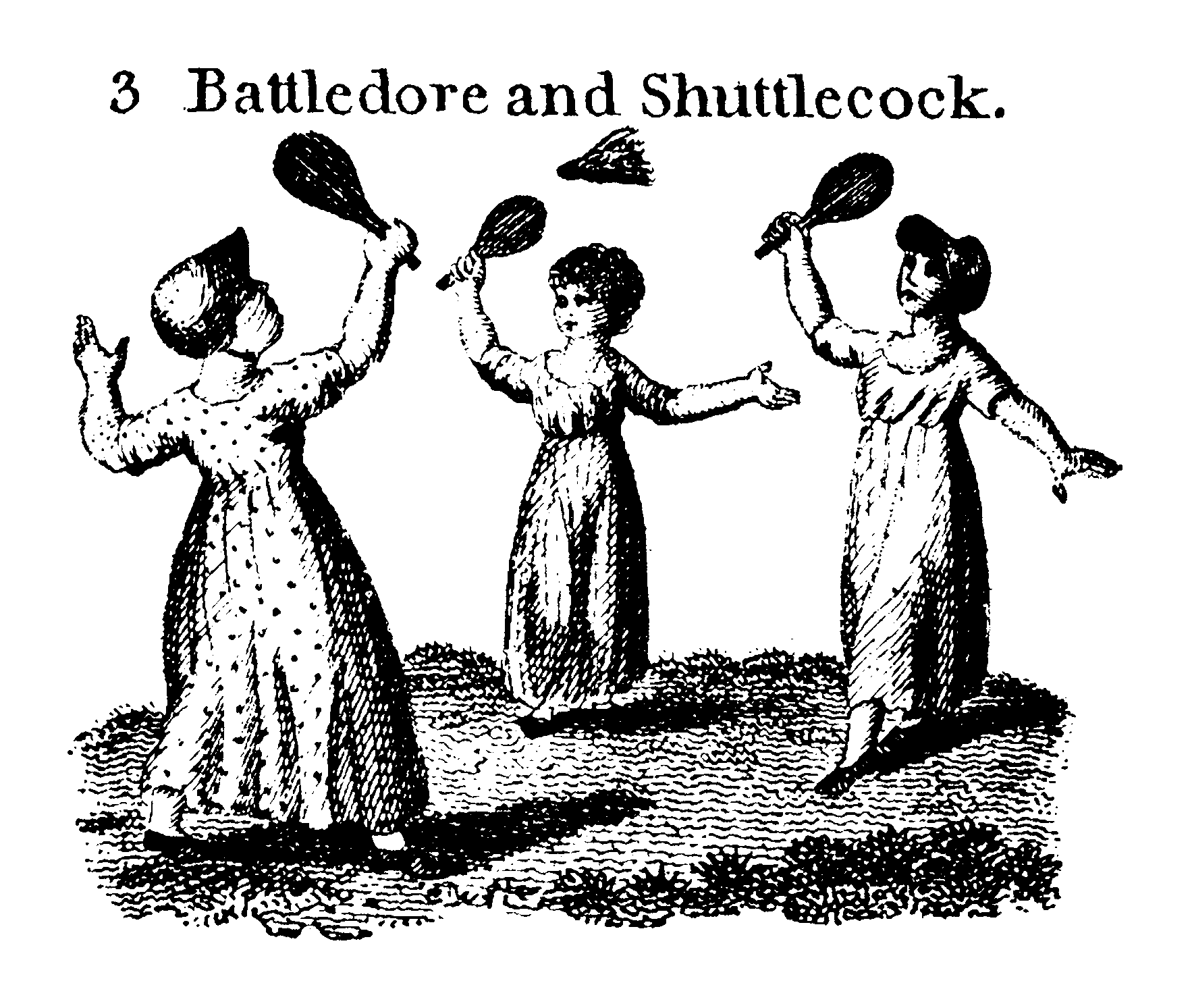
Today, badminton is known for cutting-edge technology, carbon-fibre rackets and astonishing shuttlecock speeds exceeding 400 km/h. Yet its roots stretch back thousands of years. Games involving keeping a shuttle made from feathers, cork or dried fruit in the air were played in ancient China, where one such game was called Ti Jian Zi, as well as in India and Greece.
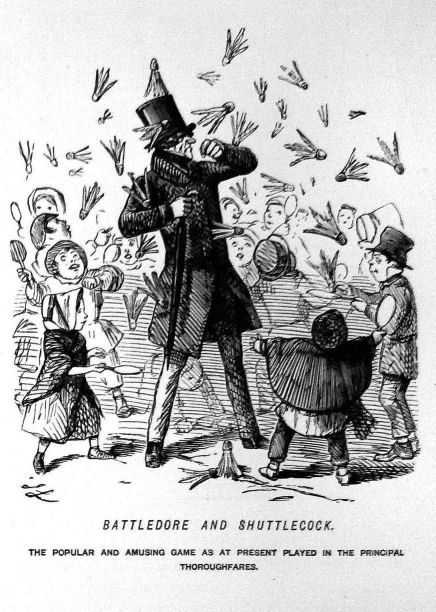
In Europe, battledore and shuttlecock was a popular indoor and outdoor pastime for centuries. Players used wooden paddles to keep the shuttlecock in the air for as long as possible, without a net. It was a social activity in which players worked together rather than competed against each other.
The Birth of Badminton in Poona
Badminton as we know it today began to take shape in British India in the mid-19th century. Officers stationed at the Poona garrison, in what is now Pune, adapted the traditional game by adding a string across the court, later replaced by a net. They also marked out court boundaries and introduced a scoring system. This new version of the game became known simply as Poona.
When the officers returned to England in the 1870s, they brought the equipment and rules with them, introducing the game to a new audience.
Why Is It Called Badminton?
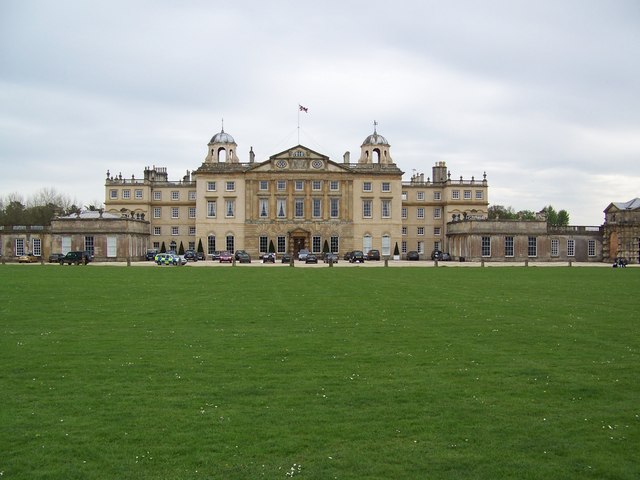
The sport takes its name from Badminton House, the Duke of Beaufort’s estate in Gloucestershire. In 1873, the first official demonstration of the game took place there, capturing the imagination of the British aristocracy.
Its popularity grew rapidly. The Badminton Association of England was founded in 1893, and six years later the first All England Open tournament was held. It remains one of the sport’s most prestigious events and is often called the “Wimbledon of badminton”.
The Rise of Badminton and Asia’s Dominance
In 1934, nine national associations, including those of Denmark, Canada and England, founded the International Badminton Federation (IBF), now known as the Badminton World Federation (BWF).
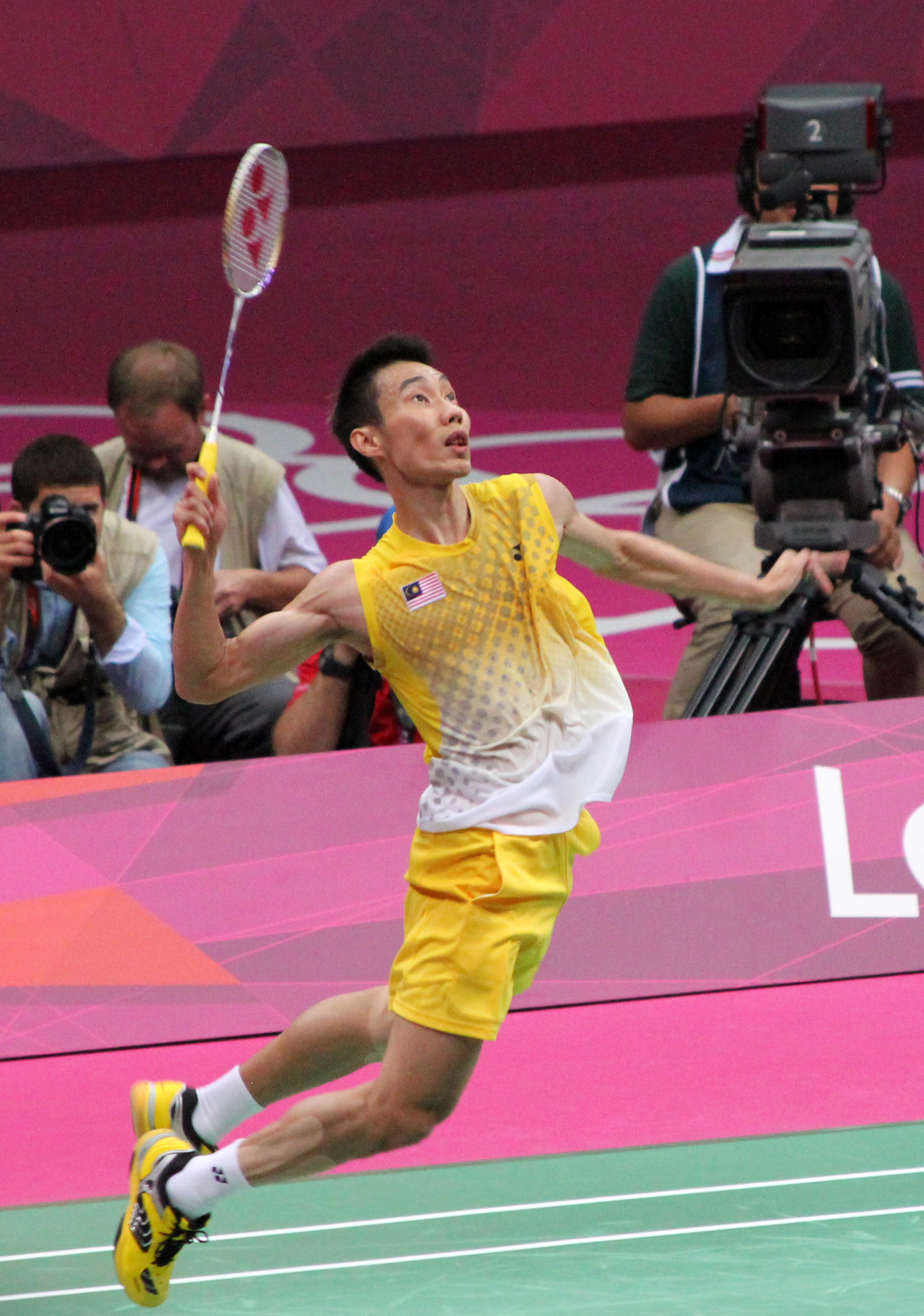
Over the decades, badminton evolved from an elite pastime into a physically demanding international sport, making its debut as an Olympic medal sport at Barcelona in 1992.
Although modern badminton has British roots, its centre of gravity has shifted towards Asia since the 1970s. In countries such as China, Indonesia and South Korea, badminton is a source of national pride, and its top players enjoy celebrity status.
Badminton in Poland
For decades, badminton in Poland was mainly associated with kometka, the casual outdoor game played in gardens and parks. The sport began to develop competitively in the 1970s. In 1977, the Polish Badminton Association (PZBad) was founded, paving the way for organised competitions and participation in international events.
Polish badminton’s greatest successes came in the 21st century. Among the country’s standout players were mixed doubles partners Robert Mateusiak and Nadieżda Zięba, European champions in 2012 and three-time Olympic quarter-finalists, and Przemysław Wacha, one of Europe’s leading singles players.
Kraków’s Contribution
Kraków has played a major role in the development of Polish badminton, with the university community providing a strong foundation for the sport.
Founded in 1965, the AZS AGH Kraków badminton section has become a renowned centre for developing talented players. Established by Andrzej Mikulski and led for decades by coach Krzysztof Hodur, it is now the country’s longest-established top-division club. Its achievements include numerous medals at the Polish Team Championships and the title of Polish Team Champion.
Watch the History of Badminton
Enjoy a short video exploring badminton’s journey from a simple pastime to a global sport!